
This article walks through generate from a practical, production-focused perspective. We'll look at why general matters, the problems it solves, and concrete patterns you can apply in your own projects. Throughout the guide you'll see, for example, how to structure your code, avoid common pitfalls, and reason about trade-offs so that developers can ship reliable systems with confidence.
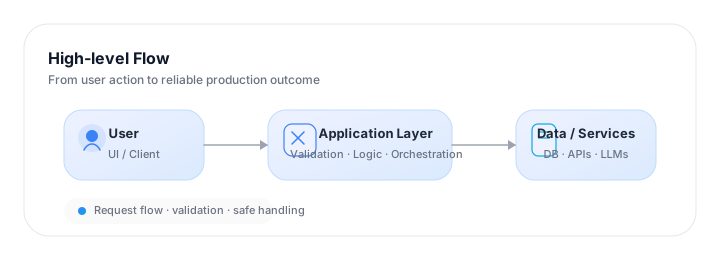
Overview
generate is a comprehensive topic that requires understanding of multiple concepts and best practices. This section provides a high-level view of what we'll cover and why it matters.
Deep Dive
Now let's explore the technical details and implementation specifics that make generate work effectively in real-world scenarios.
Best Practices
Here are the key best practices based on real-world experience and industry standards.
Real-World Examples
Here are real-world examples and case studies that demonstrate practical applications and results.
Recommendations
This section covers important aspects of the topic with practical insights and examples.
Additional Best Practices and FAQs
When working with general, there are a few practical patterns that often separate robust systems from fragile ones. Because production environments are messy, it's worth thinking explicitly about error handling, monitoring, and deployment strategies rather than treating them as afterthoughts.
For example, teams that add structured logging, basic metrics, and simple health checks early on tend to catch issues before users do. You don't need an elaborate platform—just consistent logs, a dashboard with a few key charts, and alerts for obvious failures can dramatically improve reliability.
Finally, it's helpful to keep a short checklist for general: validate inputs, handle timeouts, add retries where appropriate, protect external calls, and document the key failure modes. This kind of lightweight discipline makes it much easier for developers to reason about the system and evolve it safely over time.